
Plain Walls
Given Real Architectural Detail
Custom Wall Treatments in Waco for Bare Drywall and Plaster Walls With No Trim Detail
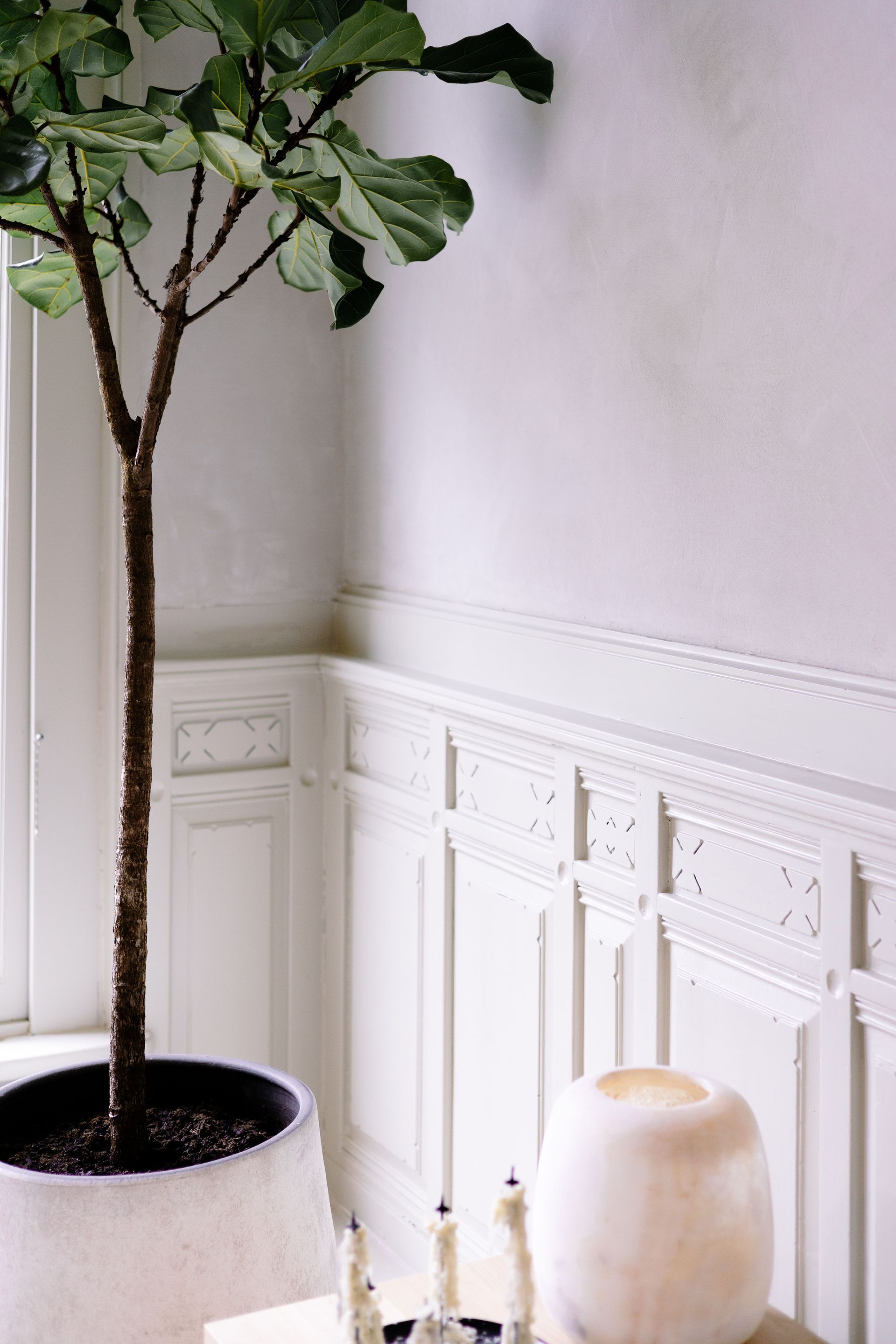
A living room with flat painted drywall from floor to ceiling, or an older plaster wall with nothing breaking it up, tends to read as unfinished no matter how it is furnished. Cornerstone Design Co. builds custom wall treatments, including board-and-batten, wainscoting, and wall paneling, installed by the same finish carpenters who handle the rest of the room. Around Waco, this work often goes into older homes with plain plaster walls and newer custom builds finished with bare drywall.
Work starts with measuring each wall and marking outlets, switches, and door and window locations so the panel layout stays balanced. Panels or boards are cut and pre-finished in the shop, then fastened to blocking or studs and caulked, filled, and painted on site.
Arrange a wall measurement to see how a paneled layout would fit your room.
Why Layout Comes Before the First Board Goes Up
Spacing is the decision that makes or breaks a wall treatment, because battens or panel stiles have to divide each wall evenly while working around switch plates, window casings, and corners. Laying the pattern out first means an outlet lands in the middle of a panel instead of half under a batten.
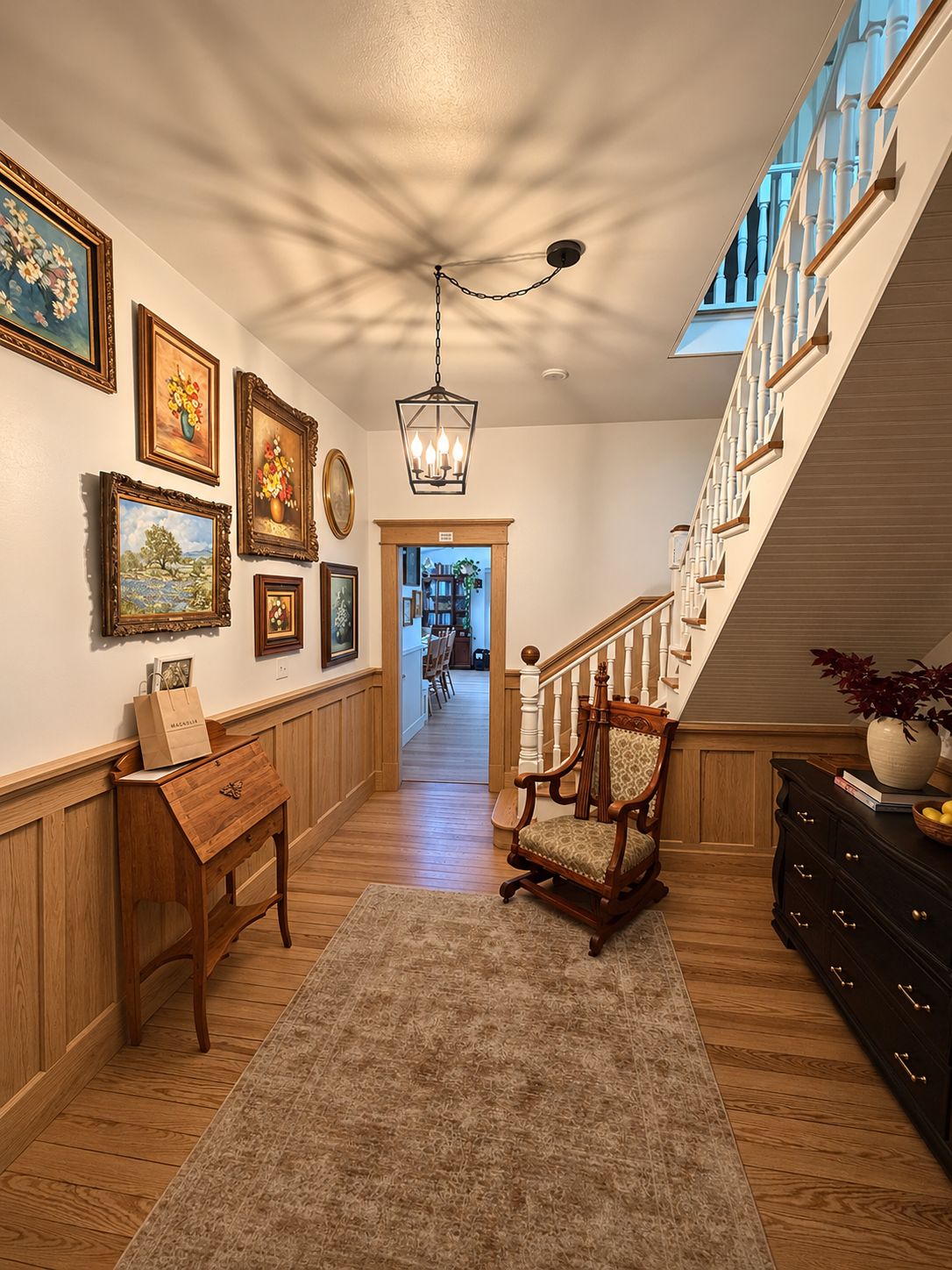
When the work is done, your walls have visible depth and shadow lines, with rails running level across the room and joints that disappear under caulk and paint. Nail holes are filled, outlets sit cleanly inside the layout, and the treatment looks built with the house rather than added later.
Materials are confirmed on site and checked before installation begins, so warped or damaged boards are caught before they reach the wall. Pre-finishing in the shop reduces work in your home, though final caulking, filling, and painting happen on site.
Questions About Paneling and Wainscoting Work
Fully insured—verifiable coverage for kitchen remodeling, bathroom renovation, and carpentry work in TX
These answers cover layout, fastening, and finishing.
What is the difference between board-and-batten, wainscoting, and wall paneling?
Board-and-batten uses vertical strips over a flat backing for a tall, grid-like pattern, while wainscoting covers the lower portion of a wall and finishes with a cap rail. Wall paneling can run full height in framed sections or flat boards.
How are the boards attached to the wall?
Boards are fastened into studs or into blocking added where studs do not line up with the layout. That backing keeps rails and battens from pulling loose or bowing over time.
Why do plaster walls in older Crawford homes need extra attention?
Plaster walls in older homes around Crawford are often uneven and harder to fasten through than drywall. Boards may need shimming and pre-drilled fasteners so they sit flat against the surface.
What happens to outlets and switches during installation?
Outlets and switches are marked during measuring, and electrical boxes may be extended so cover plates sit flush with the new surface. The layout is planned so they fall inside panels rather than across a joint.
What should you check on the finished walls?
Sight down each rail for a straight, level line, and look for smooth caulk joints with no gaps at corners or trim. Paint should cover filled nail holes completely with no visible dimples.
The work carries a two-year labor warranty on materials Cornerstone Design Co. supplies, on top of the manufacturer’s warranty. Cornerstone Design Co. also builds custom wall treatments in Waco, Hewitt, Killeen, Temple, and Belton. Talk with the finish carpentry team about which treatment suits your room.